
When to DIY and When to Call a Pro
How to tell a quick fix from a problem that needs a technician.
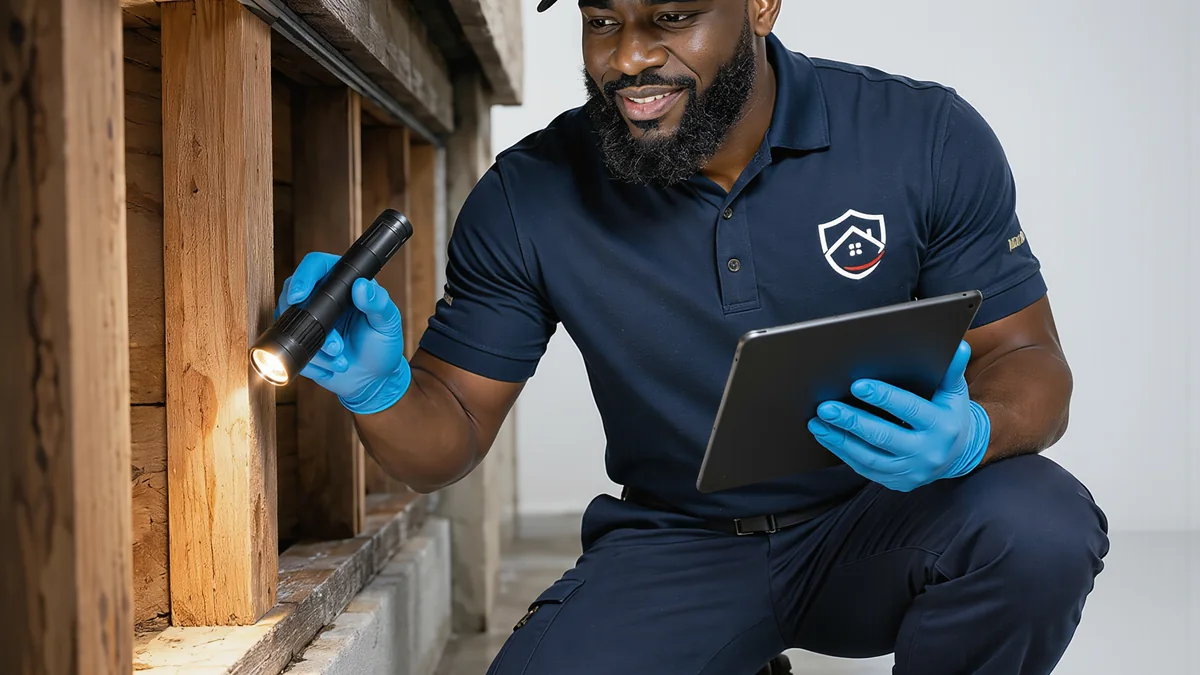
Not every bug means it's time to call in a professional. Sometimes a spider on the porch is just a spider. But some pests are quietly telling you there's a bigger problem behind the wall, and the wrong response, or waiting too long, can turn a small issue into an expensive one.
Here's an honest guide to which is which.
When it's fine to handle it yourself
Some situations are genuinely a quick fix. If you're dealing with any of these, a little cleanup and a store-bought product will often do the job:
A stray bug here and there. One spider in the garage, the occasional ant on the counter, a moth by the porch light. These are normal, especially in coastal Virginia, and don't signal an infestation. Wipe down surfaces, seal up food, and keep an eye on it.
A single, reachable wasp nest, early in the season. A small paper-wasp nest starting under an eave, low enough to reach safely, can often be handled with an over-the-counter spray at dusk when the wasps are calm. If it's high, large, or you're allergic, skip this one.
Minor prevention work. Caulking a gap, replacing worn weatherstripping, fixing a drippy faucet, tidying up clutter in the garage. This is the kind of maintenance that keeps pests out in the first place, and you don't need a technician to do it.
The theme here: if it's small, occasional, and easy to reach, DIY is reasonable. Try it, watch what happens, and move on if it works.
When to call a professional
Other pests don't respond to sprays, hide where you can't reach, or cause real damage the longer they stay. These are the ones to hand off:
Anything that keeps coming back. If you've cleaned, sprayed, and sealed, and the ants or roaches return within days, you're treating symptoms, not the source. Store products kill what you see and scatter the rest, which is exactly why the problem repeats. The colony needs to be treated at the source.
Roaches inside, especially at night. Seeing roaches when you flip on the kitchen light usually means a breeding population is already established. German roaches in particular multiply fast and need a dedicated cleanout, not a can of spray.
Any sign of rodents. Droppings in the cabinet, scratching in the walls, gnaw marks on packaging. Mice and rats chew wiring, contaminate food, and reproduce quickly. This is never a spray-and-go job, it takes inspection, trapping, and sealing the entry points they're using.
Termites, or anything that might be. Mud tubes on the foundation, wood that sounds hollow, or little discarded wings on the windowsill in spring. Termites cause more home damage than storms and fires combined, and by the time you notice them, they've usually been working a while. This one is always a call, never a wait.
Bed bugs. Itchy bites in lines, small blood spots on the sheets, live bugs in the mattress seams. Bed bugs are notoriously hard to kill and spread through a home if handled wrong. DIY almost always makes it worse and more expensive to fix later.
Stinging insects that are high, large, or dangerous. A big hornet nest, a wasp colony inside a wall, or any stinging insect near where kids play, especially if someone in the home is allergic. The risk isn't worth a ladder and a spray can.
The simple rule of thumb
If it's small, occasional, and easy to reach, it's usually fine to try yourself. If it keeps coming back, hides where you can't see, stings, or damages your home, it's time for a technician. When you're not sure which category you're in, that uncertainty is itself a good reason to get a professional set of eyes on it, most of the trickiest problems are the ones that look minor at first.
That's also why several of our services start with a free inspection. We'd rather look first and tell you honestly what you're dealing with than have you guess.
Not sure if it's a DIY job or a call?
Request a free inspection or call (757) 600-0575. We'll take an honest look. Home should feel safe.